Last updated: June 2, 2026
Uprite helped a growing manufacturer modernize aging IT infrastructure, migrate email to Office 365, and meet cybersecurity insurance compliance — without disrupting daily production. Failing servers, end-of-life hardware, and slow support had turned technology into a daily liability. A proactive managed IT strategy replaced reactive break-fix support and built a stable, secure foundation for continued growth.
Manufacturing companies relying on aging technology often face costly downtime, operational inefficiencies, and growing cybersecurity risks. As production demands rise, outdated systems quietly erode productivity and expose the business to compliance and security gaps.
This case study highlights how a growing manufacturer modernized its IT infrastructure, improved system reliability, and achieved cybersecurity compliance without disrupting daily operations.
Why Legacy IT Was Holding the Business Back
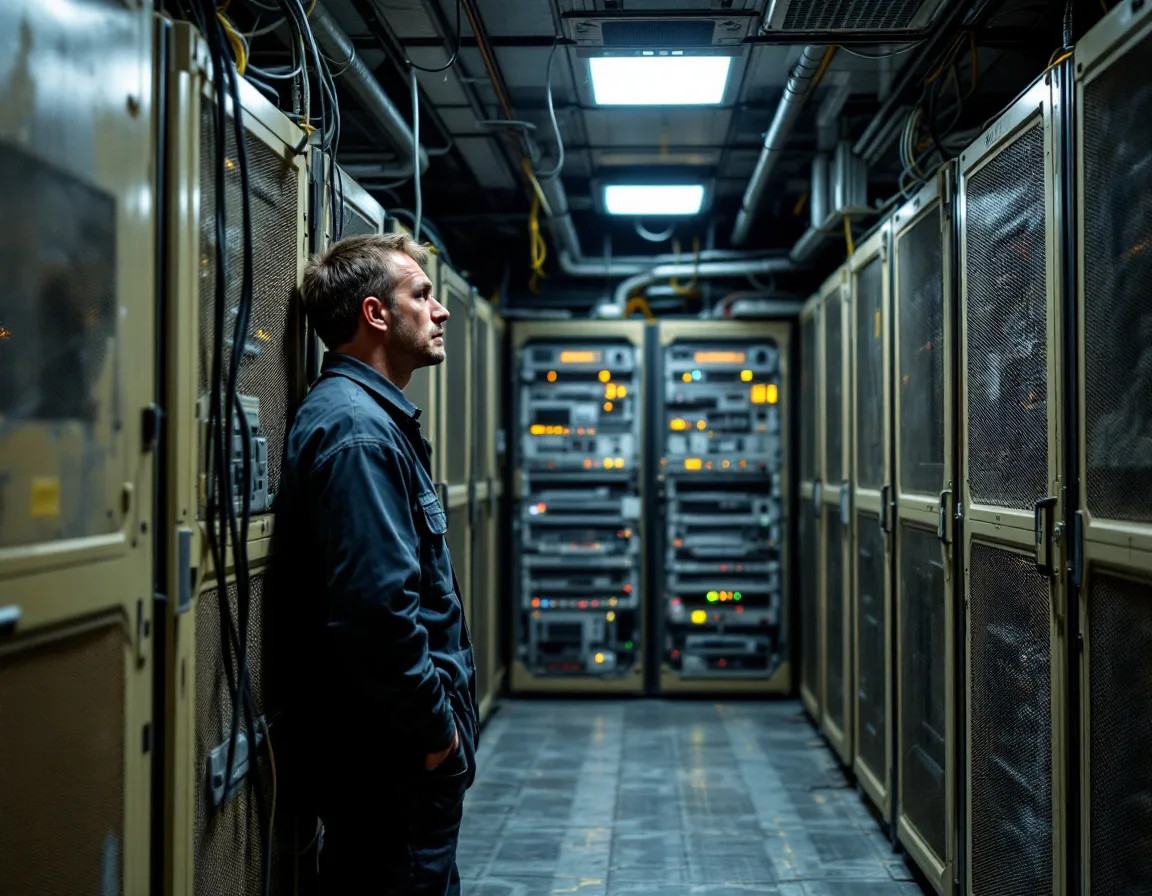
As the company expanded, its outdated IT environment could no longer support operational demands. Aging servers, unreliable systems, and slow IT support were creating daily productivity issues across the organization.
The business was experiencing:
- Frequent email outages caused by failing local exchange servers
- Outdated hardware and operating systems nearing end-of-life
- Slow response times from their previous MSP
- Difficulty accessing critical network resources
- Rising operational costs caused by downtime and overtime labor
- Challenges meeting cybersecurity insurance requirements
For a manufacturing business dependent on hourly workers and continuous operations, even small disruptions created major financial and productivity impacts.
The Need for a More Reliable and Secure IT Strategy
The organization needed more than basic IT support — it required a proactive technology partner capable of modernizing infrastructure while improving security and compliance.
Key priorities included:
- Achieving cybersecurity insurance compliance
- Improving system reliability and uptime
- Modernizing email and communication systems
- Upgrading servers, workstations, and hardware
- Reducing downtime and operational disruptions
- Receiving faster and more responsive IT support
Without these improvements, the company faced increasing long-term risks tied to security vulnerabilities and operational inefficiencies.
A Smarter Approach to IT Modernization
Uprite Services implemented a comprehensive managed IT strategy focused on security, reliability, and long-term scalability.
The solution included:
- Proactive managed IT services and 24/7 support
- Office 365 migration for reliable cloud-based email
- Cybersecurity enhancements to meet compliance standards
- Upgraded servers, workstations, and infrastructure
- VOIP phone system implementation
- Robust backup and disaster recovery solutions
- Responsive help desk support for rapid issue resolution
This approach allowed the organization to modernize operations while minimizing disruptions to manufacturing workflows.

What Made the Transformation Successful
A structured implementation strategy ensured upgrades were completed efficiently without impacting daily production.
Key steps included:
- Assessing infrastructure vulnerabilities and compliance gaps
- Replacing outdated systems and aging hardware
- Migrating critical services to modern cloud platforms
- Strengthening cybersecurity protections
- Implementing proactive monitoring and support systems
- Improving response times through defined service-level agreements (SLAs)
Rather than simply reacting to problems, the new IT environment was designed to prevent issues before they disrupted operations.

Key Outcomes That Improved Operations
The transformation delivered immediate operational and security improvements:
- Reduced downtime and improved system reliability
- Faster IT response times and issue resolution
- Improved cybersecurity posture and compliance readiness
- More reliable email and communication systems
- Increased productivity across administrative and operational teams
- Stronger backup and disaster recovery protection
- Scalable infrastructure prepared for future growth
The business now operates with a more stable, secure, and proactive IT environment that better supports long-term expansion.

What Manufacturers Can Learn from This Case
This transformation highlights several key lessons for growing businesses:
- Outdated infrastructure increases operational and security risks
- Proactive IT support reduces costly downtime
- Cybersecurity compliance is critical for long-term business protection
- Cloud-based systems improve reliability and scalability
- Strategic IT planning supports operational growth and efficiency
Explore the Full Transformation
This overview shows how a strategic IT partner helped a growing manufacturer modernize aging infrastructure, strengthen security, and meet compliance requirements while keeping production running. Every engagement we publish is listed on our client case studies page.
The complete case study explores:
- How the company improved cybersecurity compliance
- The strategy used to modernize aging infrastructure
- Best practices for reducing downtime in manufacturing environments
- How proactive IT support improved operational efficiency
Download the full case study to learn how growing manufacturers can modernize IT, reduce downtime, and meet compliance requirements with the right technology partner — or contact Uprite to discuss IT for your own manufacturing business.
Questions Manufacturers Ask About This Project
What actually counts as legacy IT here?
Systems still doing their job while quietly preventing everything else. Aging servers, unsupported operating systems, and equipment nobody wants to touch keep working right up until they block a compliance requirement or a growth plan. Working is not fine.
Can modernization happen without stopping the line?
It can, and the plan is what decides it. Staged migrations with tested rollback at each step keep production running while the environment changes underneath it, which takes longer on paper and avoids the outage that a single cutover risks.
Where does compliance fit into a modernization project?
Built in from the start rather than bolted on afterward. Access control, logging, and documented processes are far cheaper to design into new infrastructure than to retrofit onto systems already in production, and retrofitting is what makes compliance projects expensive. Design it in.
So what made this one work?
Sequencing and documentation, mostly. Knowing what existed before changing anything, then changing it in an order that kept the business running, is unglamorous and is the difference between a modernization and an incident.
Does this apply to a manufacturer smaller than this one?
The principles hold at any size. Twenty-person shops face the same unsupported-software problem and the same compliance questions, just with fewer systems involved, which usually makes the work shorter rather than different in kind. Scale changes duration.
How does a manufacturer start?
With an inventory of what is running, who depends on it, and what is no longer supported. That document is the foundation of every decision that follows and almost nobody has one. Book a free IT assessment.