Last updated: June 2, 2026
Uprite helped a Texas-based oil & gas company modernize its aging IT infrastructure and strengthen cybersecurity — without disrupting the specialized operational platform its business depends on. By replacing slow, reactive support with proactive monitoring, infrastructure stabilization, and strategic vCIO and vCISO leadership, the company gained a stable, secure, and resilient IT environment built for operational continuity.
In the oil & gas industry, technology failures don’t just create inconvenience — they create operational risk. From financial systems to field operations, every minute of downtime can impact productivity, reporting, communication, and decision-making.
That’s exactly where this Texas-based oil & gas company found itself. The company depended heavily on a specialized on-premises operational platform that powered critical business functions. While the software itself remained effective, the surrounding IT infrastructure was outdated, inconsistent, and increasingly vulnerable.
Their previous IT provider struggled to support the environment properly, leaving the business stuck in a cycle of reactive fixes, slow support, and growing cybersecurity concerns. They needed more than another IT vendor. They needed a strategic technology partner that understood operational continuity, infrastructure stability, and cybersecurity in high-demand industries — the kind of partnership Uprite delivers through managed IT services built for the oil & gas industry.
The Real Problem Wasn’t the Software
The organization’s core business platform was still working well. The real issue was everything surrounding it. Over time, several infrastructure and support problems started creating operational strain:
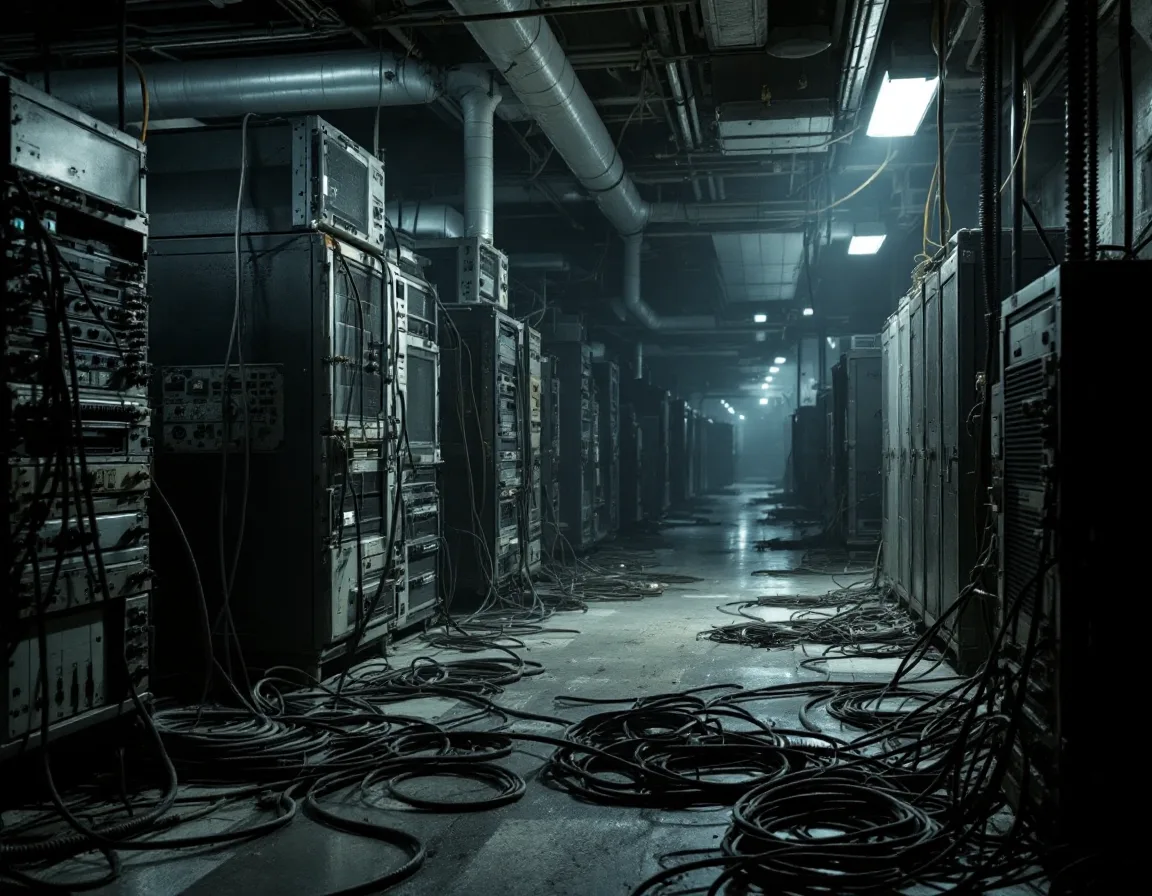
- Aging infrastructure: Outdated servers and inconsistent backup systems increased the risk of downtime and data loss.
- Slow IT support: Critical issues often took too long to resolve, frustrating leadership and disrupting workflows.
- Security gaps: Without proactive monitoring or layered cybersecurity protections, the company faced unnecessary exposure to cyber threats.
- No long-term IT direction: Technology decisions were reactive instead of strategic, making growth and planning difficult.
For industries where uptime and reliability matter daily, this approach simply wasn’t sustainable.
Why Oil & Gas Companies Face Unique IT Challenges
Unlike many businesses, oil & gas companies often rely on specialized operational systems that cannot easily be replaced or migrated. That creates a difficult balancing act:
- Modernize infrastructure without disrupting operations
- Improve cybersecurity without slowing productivity
- Maintain legacy systems while supporting future growth
- Ensure backups and disaster recovery are reliable
- Keep field and office teams connected without interruptions
The challenge isn’t just upgrading technology. It’s protecting operational continuity while improving stability and security.
Building a More Stable and Secure IT Environment
Instead of forcing unnecessary platform changes, the focus shifted toward strengthening the infrastructure supporting the company’s existing systems. The modernization strategy included four core workstreams:
Infrastructure Stabilization
Server operating systems were upgraded, backups improved, and system performance optimized to support day-to-day reliability.
Proactive Cybersecurity
Layered cybersecurity protections were introduced, including:
- Advanced firewall protection
- Endpoint security
- Network monitoring
- Threat prevention measures
Faster IT Response and Support
A proactive help desk model replaced reactive support, ensuring issues were handled before they escalated into operational problems.
Strategic IT Leadership
Technology planning became part of the long-term business strategy through ongoing vCIO and vCISO guidance. This transformed IT from a reactive cost center into a strategic operational asset.

The Biggest Win: Stability Without Disruption
One of the most important outcomes was that improvements happened without disrupting critical business operations. The company was able to:
- Maintain its existing operational platform
- Improve system reliability
- Reduce infrastructure-related issues
- Strengthen its cybersecurity posture
- Gain confidence in long-term IT planning
Rather than forcing unnecessary software migrations, the strategy respected the company’s operational preferences while still modernizing the surrounding environment.
What Other Oil & Gas Companies Can Learn From This
Many energy companies face similar challenges:
- Legacy infrastructure supporting critical systems
- Increasing cybersecurity pressure
- Reactive IT support models
- Lack of strategic technology planning
- Operational risks caused by downtime
This case highlights an important lesson: you don’t always need to replace your core systems. Sometimes the biggest improvements come from optimizing and securing the infrastructure around them.
Why Strategic IT Leadership Matters
One of the biggest differences in this transformation was the introduction of strategic IT leadership. Instead of only fixing problems as they appeared, the business gained:
- Long-term technology planning
- Risk management guidance
- Cybersecurity strategy
- Infrastructure roadmap development
- Ongoing operational alignment between IT and business goals
This proactive approach helped leadership make smarter technology decisions with confidence. For companies that prefer to keep an internal IT presence, this same leadership is available through a co-managed IT model that supplements existing teams.
Looking Ahead
Today, the company operates with a far more stable, secure, and resilient IT environment. Systems run more reliably. Security risks are reduced. Support is faster. And leadership now has a clear technology roadmap aligned with future growth. Every engagement we publish is listed on our client case studies page.
For organizations operating in demanding industries like oil & gas, that kind of operational confidence is invaluable.
Want the Full Breakdown?
This is only a high-level overview of the transformation. The complete case study explores:
- The infrastructure improvements implemented
- Cybersecurity strategies used to reduce risk
- How proactive IT support improved operational stability
- The role of vCIO and vCISO leadership in long-term planning
- Lessons other oil & gas companies can apply to their own environments
Download the complete case study to see the full transformation, or contact Uprite to discuss a secure, scalable IT strategy for your own oil & gas operations.
What Operators Ask About This Engagement
Was the software really not the problem?
It was a symptom. Applications crashing and support tickets piling up were downstream of an unstable environment and a reactive support model, which is why replacing software would have moved the problem rather than solved it. Diagnose upstream first.
Can stabilization happen without stopping operations?
Yes, and in this sector it has to. Work sequenced around production windows, tested before it touches anything live, and rolled out in stages is slower than a clean rebuild and the only responsible option when downtime is measured against output. Sequencing is the skill.
Why does oil and gas make this harder than other industries?
Remote sites, intermittent connectivity, and equipment that cannot simply be rebooted. Those three constraints rule out most of the standard playbook, and a provider who has only worked in offices discovers them one expensive incident at a time. Constraints come first.
What does strategic IT leadership mean in practice?
Somebody accountable for where the environment is going, not just whether it is up today. That role decides what gets replaced and when, what risk is acceptable, and how technology spending lines up with operational plans, which is precisely the function a reactive support arrangement never provides.
Would this approach transfer to a smaller operator?
The sequence transfers even when the scale does not. Stabilize what is breaking, add proactive security, shorten response, then put somebody in charge of direction. Smaller operators just take longer.
How would we find out where we currently stand?
Start with an assessment covering both the office systems and the field, since most reviews quietly skip the second. Knowing what you actually have across every site is what turns this from an interesting story into a plan. Book a free IT assessment to begin.