Last updated June 5, 2026
Cybersecurity frameworks are structured sets of standards and controls that help organizations identify, protect against, detect, respond to, and recover from cyber threats. The seven most widely used are NIST CSF, ISO 27001/27002, SOC 2, NERC-CIP, HIPAA, GDPR, and FISMA, each mapping to a specific industry, regulation, or risk profile.
A cybersecurity framework gives teams a common language and a repeatable approach for managing risk. Because each framework has its own scope and objectives, the right fit depends on your industry, size, and compliance obligations. If you would rather have specialists handle this, our managed cybersecurity services map these frameworks to your environment. Below are the seven most popular frameworks and where each one applies.
Cybersecurity Frameworks at a Glance
| Framework | Best for | Mandatory? | Governed by |
|---|---|---|---|
| NIST CSF | Most businesses and critical infrastructure | Voluntary | NIST (U.S.) |
| ISO 27001/27002 | Companies wanting a certifiable ISMS | Voluntary | ISO and IEC |
| SOC 2 | Service providers handling client data | Voluntary | AICPA |
| NERC-CIP | Bulk electric system operators | Mandatory | NERC and FERC |
| HIPAA | Healthcare and business associates | Mandatory | HHS and OCR |
| GDPR | Any org handling EU resident data | Mandatory | EU |
| FISMA | U.S. federal agencies and contractors | Mandatory | OMB and NIST |
1. NIST Cybersecurity Framework
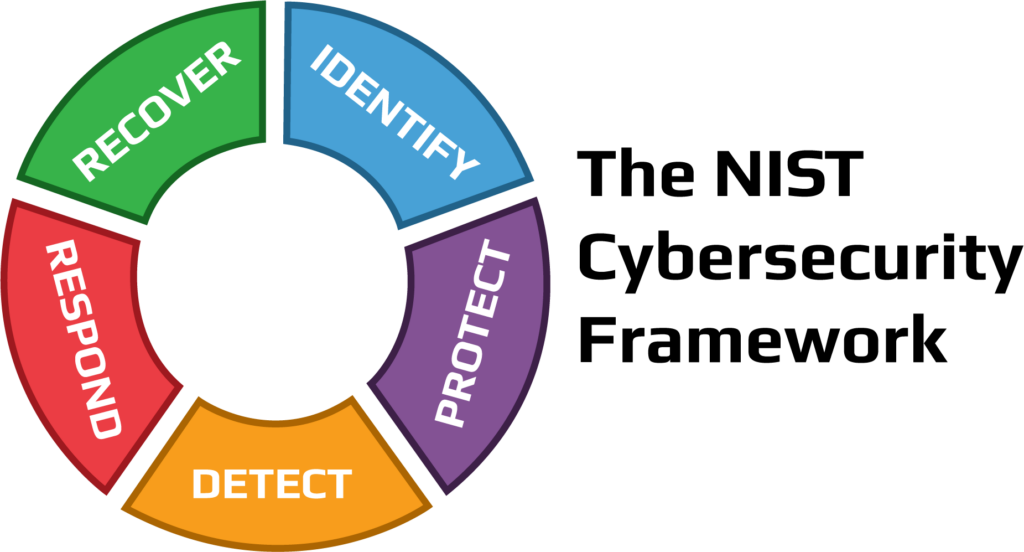
The NIST Cybersecurity Framework (NIST CSF) was developed by the National Institute of Standards and Technology (NIST), a U.S. federal agency, in response to an executive order in 2014. The NIST CSF provides voluntary, flexible guidance for organizations to improve their cybersecurity, especially those in critical infrastructure sectors such as energy, transportation, and healthcare. It has five core functions, identify, protect, detect, respond, and recover. The NIST CSF is widely adopted in the U.S. and internationally, and it is compatible with other standards such as ISO 27001, SOC 2, HIPAA, and GDPR. It also offers resources like quick-start guides, success stories, and a searchable catalog to support implementation.
Learn more about cybersecurity services in Houston.
2. ISO 27001 and ISO 27002
ISO 27001 and ISO 27002 are international standards for information security management systems (ISMS), developed by the International Organization for Standardization (ISO) and the International Electrotechnical Commission (IEC). They provide a systematic approach for establishing, implementing, maintaining, and improving the security of information assets. ISO 27002 covers 14 domains, such as security policies, access control, cryptography, and incident management, with guidelines for selecting and applying the right security measures.
ISO 27001 and ISO 27002 are recognized globally and help organizations comply with other frameworks such as GDPR, NIST CSF, and SOC 2. On top of that, they let organizations earn an independent certification that proves their commitment to information security.
3. SOC 2
SOC 2 is a framework for reporting on the controls related to the security, availability, processing integrity, confidentiality, and privacy of a service organization’s systems. It was developed by the American Institute of Certified Public Accountants (AICPA) and is based on the Trust Services Criteria (TSC). SOC 2 reports help service organizations evaluate and improve their internal controls. They come in two types. A Type 1 report describes the design of controls at a specific point in time, while a Type 2 report evaluates how well those controls operate over a period of months. SOC 2 also aligns with other standards such as ISO 27001, NIST CSF, and HIPAA.
4. NERC-CIP
NERC-CIP is a set of standards for protecting the bulk electric system (BES) in North America. It was developed by the North American Electric Reliability Corporation (NERC), a nonprofit that oversees the reliability and security of the BES, and is enforced by the Federal Energy Regulatory Commission (FERC), the U.S. federal agency that oversees the transmission and sale of energy. NERC-CIP requires entities that own, operate, or use the BES to run regular assessments, audits, and tests to confirm compliance.
NERC-CIP is mandatory and legally enforceable for all entities that are part of the BES, such as electric utilities, generators, transmission operators, and service providers. It also helps entities comply with other frameworks such as NIST CSF, HIPAA, and FISMA. Beyond compliance, NERC-CIP strengthens the resilience and security of the BES, which protects the public and the economy.
5. HIPAA
HIPAA is a U.S. federal law that sets the standards for protecting the privacy and security of health information. It was enacted in 1996 and is administered by the Department of Health and Human Services (HHS) and the Office for Civil Rights (OCR). HIPAA includes several rules, such as the Privacy Rule, the Security Rule, the Breach Notification Rule, and the Enforcement Rule. The Privacy Rule sets the rights and obligations of individuals and entities regarding the use and disclosure of protected health information (PHI).

Health care providers, health plans, and health care clearinghouses are all covered entities. Business associates include any entity that performs functions involving access to PHI or e-PHI on behalf of a covered entity, such as billing services, cloud service providers, and consultants. HIPAA also helps entities comply with other frameworks such as NIST CSF, ISO 27001, and GDPR.
6. GDPR
GDPR is a regulation that governs the protection of personal data for individuals in the European Union (EU) and the European Economic Area (EEA). It was adopted in 2016 and took effect in 2018, and it is considered one of the most comprehensive data protection laws in the world. GDPR defines personal data as any information relating to an identified or identifiable person, such as a name, email, location, biometric data, or online identifier.
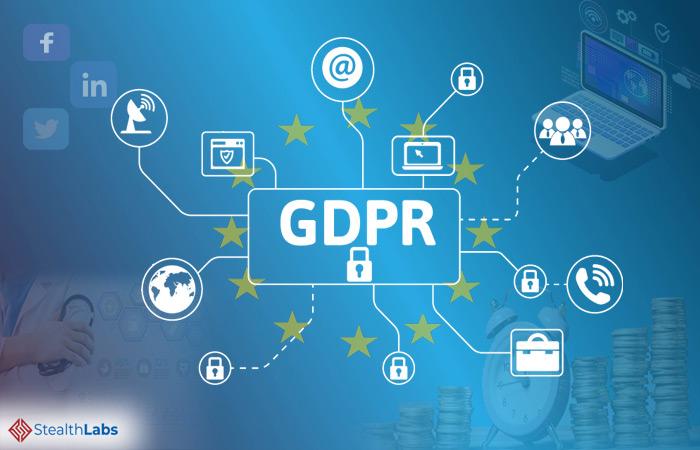
GDPR grants individuals rights over their personal data, including the right to access, rectify, erase, restrict, port, and object to processing. It also places obligations on entities that collect, process, or store personal data, such as obtaining consent, providing transparency, implementing security measures, running data protection impact assessments, appointing data protection officers, and reporting breaches. GDPR also helps entities comply with other frameworks such as NIST CSF, ISO 27001, and HIPAA.
See related: our Managed IT services.
7. FISMA
FISMA is a U.S. federal law that sets the requirements for securing the information systems and data that support federal agencies. It was enacted in 2002 and is administered by the Office of Management and Budget (OMB) and NIST.
FISMA requires federal agencies to run an information security program that covers planning, development, implementation, evaluation, and improvement. It also requires agencies to conduct regular risk assessments, audits, and reports.
Common Questions About Cybersecurity Frameworks
What is a cybersecurity framework?
A cybersecurity framework is a set of guidelines, standards, and best practices that gives organizations a common language for managing cyber risk. It helps teams identify, protect, detect, respond, and recover in a consistent, repeatable way.
Which cybersecurity framework is right for my business?
It depends on your industry, size, and regulatory obligations. Healthcare organizations lean on HIPAA, EU-facing companies follow GDPR, energy utilities meet NERC-CIP, and most general businesses start with the NIST Cybersecurity Framework or ISO 27001.
Do small businesses need a cybersecurity framework?
Yes, smaller companies benefit because attackers often target them expecting weaker defenses. The NIST Cybersecurity Framework is a practical starting point because it is voluntary, flexible, and scales to organizations of any size.
What is the difference between NIST CSF and ISO 27001?
NIST CSF is a voluntary U.S. framework built around five functions, identify, protect, detect, respond, and recover. ISO 27001 is an international standard for an information security management system that organizations can be independently certified against.
Are cybersecurity frameworks mandatory?
Some are legally required while others are voluntary. NERC-CIP is enforceable for bulk electric system entities, and HIPAA, GDPR, and FISMA carry legal obligations for the organizations they cover. NIST CSF and ISO 27001 remain voluntary but widely adopted.
Can a business use more than one framework at once?
Absolutely, and many organizations do. The frameworks are designed to be compatible, so a company can map NIST CSF, ISO 27001, SOC 2, and HIPAA controls together to satisfy several obligations without duplicating work.
Conclusion
Cybersecurity frameworks are critical tools for managing and reducing cyber risk. They give teams a shared language and approach for identifying, protecting, detecting, responding to, and recovering from threats. We covered the seven most widely used frameworks, NIST CSF, ISO 27001 and ISO 27002, SOC 2, NERC-CIP, HIPAA, GDPR, and FISMA. Each has its own scope, objectives, and benefits, and applies to different organizations and industries. By choosing and implementing the right framework, organizations can improve their security posture, meet relevant regulations, and show stakeholders they take cybersecurity seriously. Organizations that keep up with the latest developments and adopt a proactive, adaptive mindset stay ahead of evolving threats with strong managed cybersecurity services.
In our work managing security for businesses across Texas, we have found the framework you pick matters less than how consistently you apply it. A NIST CSF assessment that gets run once and shelved protects no one. The honest reality is that no framework eliminates cyber risk on its own. It gives you a structure, and the results come from the people and processes that keep it alive.
Not sure which framework fits your business? Uprite’s security team will map your current controls against the frameworks that apply to your industry and show you exactly where the gaps are. Book a cybersecurity assessment and get a clear, prioritized plan.